The Home Advantage: How Hosting the Games Doubles the Medal Tally
यह लेख हिंदी में उपलब्ध नहीं है (Content Un-translated)
क्षमा करें, यह आर्टिकल अभी केवल अंग्रेजी में उपलब्ध है। हम जल्द ही इसका अनुवाद उपलब्ध कराने के लिए काम कर रहे हैं।
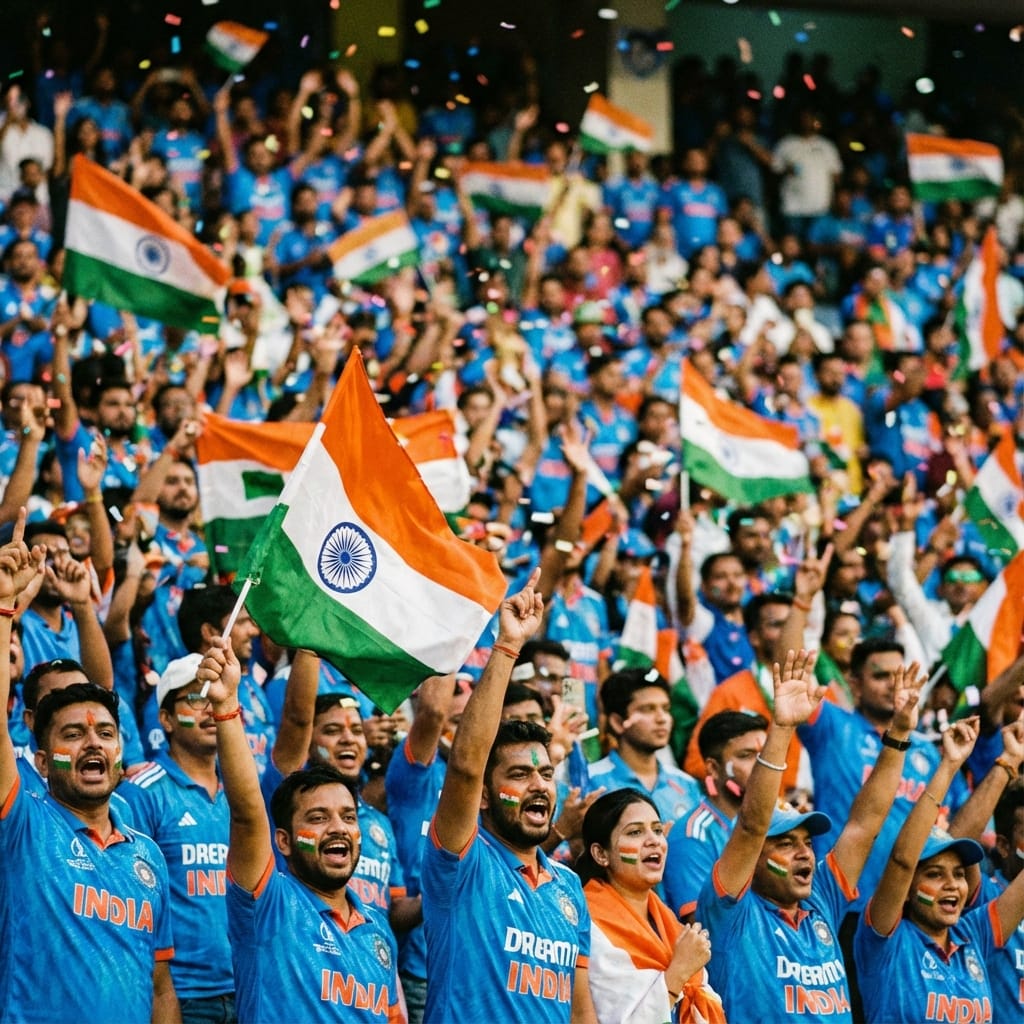
Data proves that host nations win 30-40% more medals. We analyze Australia (2018), England (2022), and what this means for India in 2030.
Is "Home Advantage" a myth? We analyzed the last 20 years of Commonwealth Games data, and the answer is a definitive NO.
When a country hosts the Games, their medal tally doesn't just grow; it explodes.
Case Study 1: England (The 30% Boost)
- 2018 (Gold Coast, Australia): England won 136 Medals.
- 2022 (Birmingham, England): England won 176 Medals.
- Impact: A +29.4% increase just by playing at home.
Case Study 2: India (The Delhi Miracle)
India's performance in 2010 remains the gold standard for "Host Nation Dominance."
- 2006 (Melbourne): 50 Medals
- 2010 (New Delhi): 101 Medals (Doubled!)
- 2014 (Glasgow): Dropped back to 64 Medals.
Why does this happen?
It is not just about the crowd cheering.
- Field Familiarity: Indian cyclists will train on the actual Velodrome in Delhi/Ahmedabad for 2 years before the event.
- Full Squad Size: As hosts, India can field the maximum number of athletes (approx 400-600), whereas travel costs limit squad sizes for overseas games.
- Officiating & Conditions: Familiarity with the heat, humidity, and food prevents the "Delhi Belly" that affects foreign athletes.
The Verdict: If the trend holds, India is statistically guaranteed to cross the 85-90 Medal mark in Ahmedabad purely on the "Host Bump."
💬 Comments Coming Soon
We're setting up our community discussion feature. Stay tuned!
Disclaimer: The information presented in this blog post has been gathered from various sources with AI assistance. While we strive for accuracy, we cannot guarantee the completeness or correctness of all information. Reader discretion is advised. For official information, please refer to the Commonwealth Games Federation and official CWG 2030 sources.